November 16, 2026
Maintaining a sturdy roof is essential to protecting a home from the elements. Shingle roofs experience gradual wear from changing temperatures, severe weather, and sun exposure. Although some signs of deterioration may seem minor, ignoring them can lead to leaks, structural damage, and expensive repairs. Recognizing when a roof needs professional attention helps homeowners address problems before they become more serious.
Recognizing Signs of Shingle Roof Damage
Identifying Curling or Buckling Shingles
Curling or buckling shingles are common signs that a roof may be deteriorating. These problems can develop because of temperature fluctuations, moisture exposure, or improper installation. As shingles lose their original shape, they become more vulnerable to wind damage and water infiltration. A roofing contractor can evaluate whether individual shingles need replacement or whether the damage indicates broader concerns.
Noticing Missing Shingles and Granule Loss
High winds and severe storms can dislodge shingles, leaving portions of the roof exposed to moisture. Missing shingles should be addressed promptly because openings can allow water to reach underlying materials. Granule loss is another warning sign. Shingle granules protect against ultraviolet exposure and preserve durability. When large amounts collect in gutters or near downspouts, the roof may be approaching the end of its useful life.
Recognizing Interior Water Damage
Water stains on ceilings and walls can indicate that moisture is entering through a compromised roof. Persistent leaks can damage insulation, weaken building materials, and encourage mold growth. Water can travel along roof decking before becoming visible indoors. Prompt professional evaluation from a roofing contractor can help locate the source and prevent additional damage.
Evaluating the Roof's Age
A roof's age is another important consideration when determining whether professional attention is necessary. According to HomeGuide, an asphalt shingle roof typically lasts between 15 and 30 years on average. Actual longevity depends on installation quality, ventilation, maintenance, and local weather conditions. As shingles age, they become more vulnerable to cracking, granule loss, and leaks. Periodic inspections help homeowners understand their roof's condition and plan for future repairs or replacement.
Understanding the Benefits of Timely Roof Repairs
Preventing More Extensive Damage
Addressing roofing problems early can prevent localized damage from spreading. A missing shingle or small leak may initially require a straightforward repair. However, prolonged moisture exposure can damage roof decking, insulation, ceilings, and interior walls. Taking action when warning signs first appear helps limit the affected areas and reduces the likelihood of extensive restoration work.
Controlling Long-Term Repair Costs
Delaying repairs can create additional expenses. A small leak may eventually require work on both the roofing system and interior materials. Similarly, ignoring widespread shingle deterioration could turn a manageable repair into a larger replacement project. A roofing contractor can assess the damage, explain available solutions, and provide an estimate. Addressing problems early gives homeowners more opportunities to plan their budgets.
Protecting Property Value and Energy Efficiency
A well-maintained roof contributes to a home's appearance, functionality, and resale appeal. Prospective buyers may hesitate to purchase a property with visible roof damage or ongoing leaks. Roofing condition can also influence energy efficiency. Damaged shingles, compromised ventilation, and moisture problems may affect insulation performance. Maintaining roofing components supports indoor comfort and helps manage heating and cooling demands.
Evaluating the Need for Professional Roofing Services
Assessing the Extent of Damage
The amount and location of roof damage help determine whether professional repairs are necessary. A few missing shingles may indicate an isolated problem, while widespread curling, granule loss, or recurring leaks could point to extensive deterioration. Professional inspections provide a clearer understanding of the roof's condition. A roofing contractor can examine visible damage and identify underlying concerns that may not be apparent from the ground.
Comparing DIY Repairs With Professional Work
Some homeowners consider handling minor roofing issues themselves to reduce expenses. However, roof work involves significant safety risks, and improper repairs can create additional problems. Incorrectly installed shingles or inadequate sealing may allow moisture to enter the home. Professional roofers understand common roofing issues and how different materials should be installed and repaired. For leaks, structural concerns, or extensive shingle damage, professional assistance is generally the more practical option.
Selecting the Right Roofing Professional
Reviewing Reputation and Credentials
Researching potential contractors is important before beginning a roofing project. Homeowners can read online reviews, request recommendations, and examine examples of previous work. It is also important to verify applicable licensing and insurance. These qualifications help homeowners evaluate whether a company meets relevant requirements and is prepared to perform the requested work.
Comparing Estimates and Contract Terms
Obtaining multiple written estimates allows homeowners to compare pricing, materials, and project scope. Estimates should identify labor costs, material expenses, and additional services. The lowest price is not necessarily the best value if important repairs or materials are excluded. Before signing an agreement, homeowners should review the payment schedule, project timeline, and warranty information. A detailed contract clarifies everyone's responsibilities.
Asking Important Project Questions
Before hiring a roofing contractor, homeowners should ask about experience with asphalt shingles, project timelines, and proposed repair methods. It is also helpful to discuss cleanup procedures and how unexpected problems will be handled. Questions about workmanship and manufacturer warranties can clarify what protections may apply after completion. Clear communication helps establish realistic expectations and reduce misunderstandings.
Following the Professional Roof Repair Process
Completing the Initial Inspection
The repair process begins with an inspection. The roofer evaluates shingles, flashing, roof penetrations, and other vulnerable areas. They may also examine the attic when there are signs of moisture damage. The findings help determine whether the roof needs localized repairs or more extensive work.
Planning Costs and Project Timelines
After evaluating the damage, the contractor prepares an estimate outlining the recommended work, materials, labor, and expected schedule. Weather conditions, material availability, and repair complexity can influence the timeline. Homeowners should discuss potential delays and how changes to the project scope will be communicated.
Completing Repairs and Quality Checks
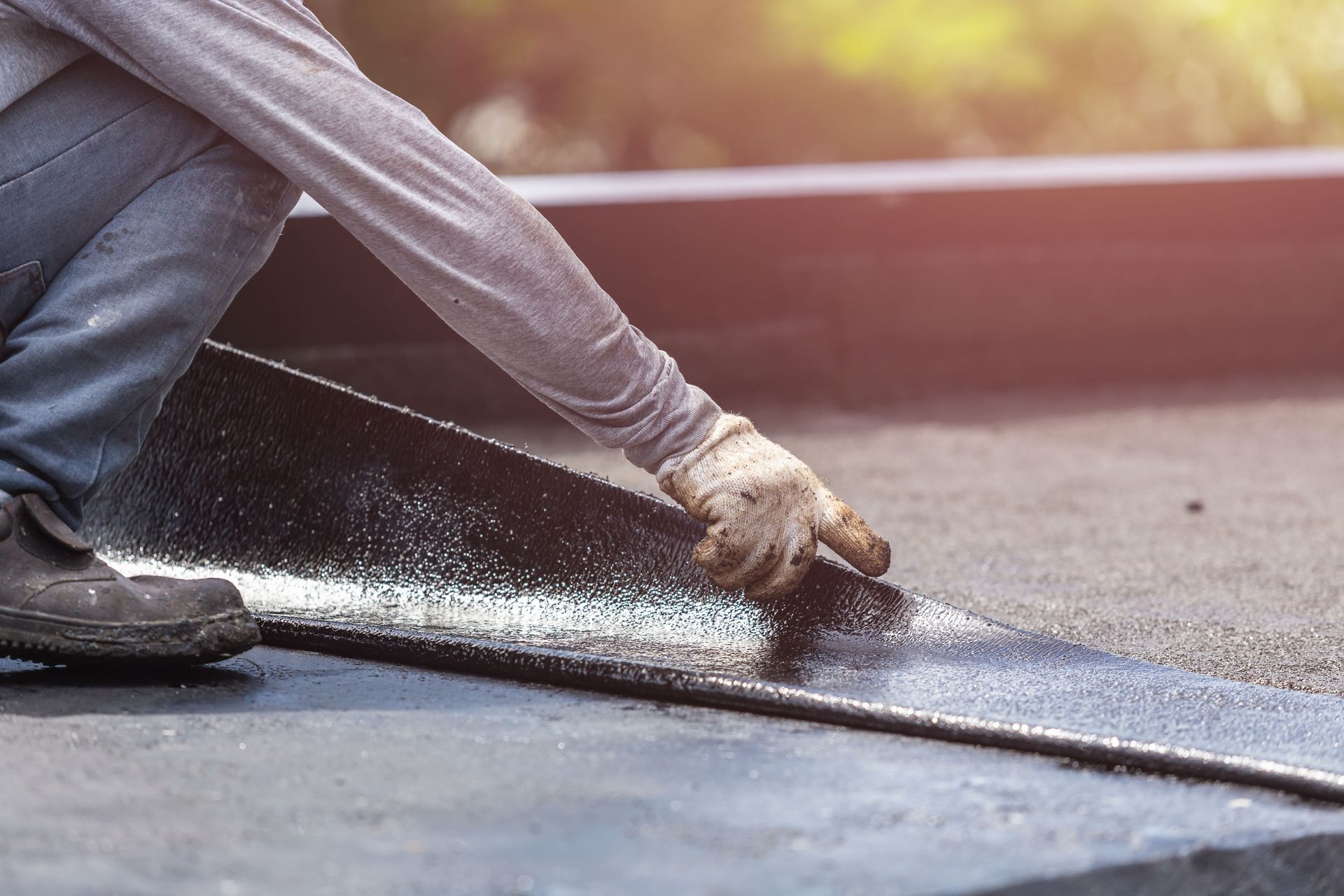
During repairs, damaged shingles and compromised materials are removed and replaced as needed. The crew may also address flashing, underlayment, or other components contributing to the problem. Proper installation helps the roof shed water and withstand weather exposure. After completing the work, the roofing contractor should review the project and address any remaining concerns.
Maintaining Shingle Roof Performance
Scheduling Regular Inspections
Routine inspections help homeowners monitor their roofs and identify developing problems. Seasonal evaluations and inspections following major storms can reveal missing shingles, damaged flashing, and other concerns. Professional assessments are particularly valuable for older roofs or properties with a history of leaks. Inspection records also help homeowners plan maintenance.
Keeping Gutters and Roofing Areas Clean
Leaves, branches, and other debris can collect on roofs and trap moisture against roofing materials. Keeping roof areas clear reduces unnecessary wear and supports proper drainage. Gutters and downspouts should also be cleaned regularly so rainwater can flow away from the roof and foundation. Clogged drainage systems may cause water to back up near roof edges, increasing moisture damage risks.
Addressing Minor Problems Promptly
Loose shingles, deteriorating flashing, and minor leaks can develop into serious problems when left unresolved. Prompt attention helps prevent moisture from affecting additional roofing components and interior spaces. Homeowners should also monitor attic ventilation and insulation because these features contribute to roofing performance.
Preparing for Seasonal Weather
Changing seasons place additional stress on asphalt shingle roofs. Before storm season, homeowners should address loose roofing materials and remove nearby tree limbs that could fall onto the house. In colder months, proper attic insulation and ventilation can help reduce conditions that contribute to ice dams. After severe weather, checking for visible damage can identify problems that need professional evaluation.
Knowing when to contact a roofing contractor is an important part of responsible homeownership. Curling shingles, missing materials, granule loss, interior water stains, and increasing roof age can indicate that an inspection is needed. Addressing these concerns early can help control repair costs, protect property value, and reduce additional damage. Homeowners should prioritize routine maintenance and choose qualified professionals when repairs exceed their experience or capabilities. If your shingle roof is showing signs of deterioration, contact RoofOhio to discuss your roofing needs and determine the appropriate next steps for protecting your home.