November 15, 2026
In the competitive landscape of roofing materials, rubber roofing stands out for its durability, cost-effectiveness, and sustainability. This article explores compelling reasons why homeowners and businesses should consider a rubber roofing installation. With advancements in technology, rubber roofing has emerged as a prominent choice for those seeking longevity and efficiency. Unlike some traditional roofing materials, rubber roofing provides distinct advantages that align with modern requirements. Below are several reasons that highlight why rubber roofing could be the best decision for your building.
Durability and Longevity
Rubber roofing materials, such as EPDM (ethylene propylene diene terpolymer), offer exceptional resistance to harsh weather elements. They can withstand prolonged exposure to UV rays, heavy rains, and extreme temperatures. According to This Old House, an average roof lasts between 25 and 50 years, depending on the quality, durability, and type of roofing material. Rubber roofing, particularly EPDM, often surpasses these averages by maintaining its structural integrity over decades. This durability ensures fewer replacements and less frequent repairs compared to other roofing options.
The longevity of rubber roofing makes a rubber roofing installation an ideal choice over traditional materials like asphalt shingles. While many roofs require significant repairs or complete overhauls after severe weather events, rubber roofs remain steadfast. This resilience is due in part to their inherent flexibility, allowing them to absorb impacts without cracking. Furthermore, rubber roofing is less susceptible to the wear and tear caused by freeze-thaw cycles. Homeowners can enjoy peace of mind knowing their roof will remain sturdy and reliable for the long haul.
Cost-Effectiveness
When assessing the cost of a new roofing installation, the initial expenses can be a significant factor for many property owners. Rubber roofing offers affordable initial costs compared to high-end materials like slate or tile. This makes it an attractive option for those seeking cost efficiency without sacrificing quality. In addition to being budget-friendly up front, rubber roofing delivers long-term savings through its superior performance and minimal maintenance needs. Homeowners can allocate resources to other important projects instead of costly roof repairs or replacements.
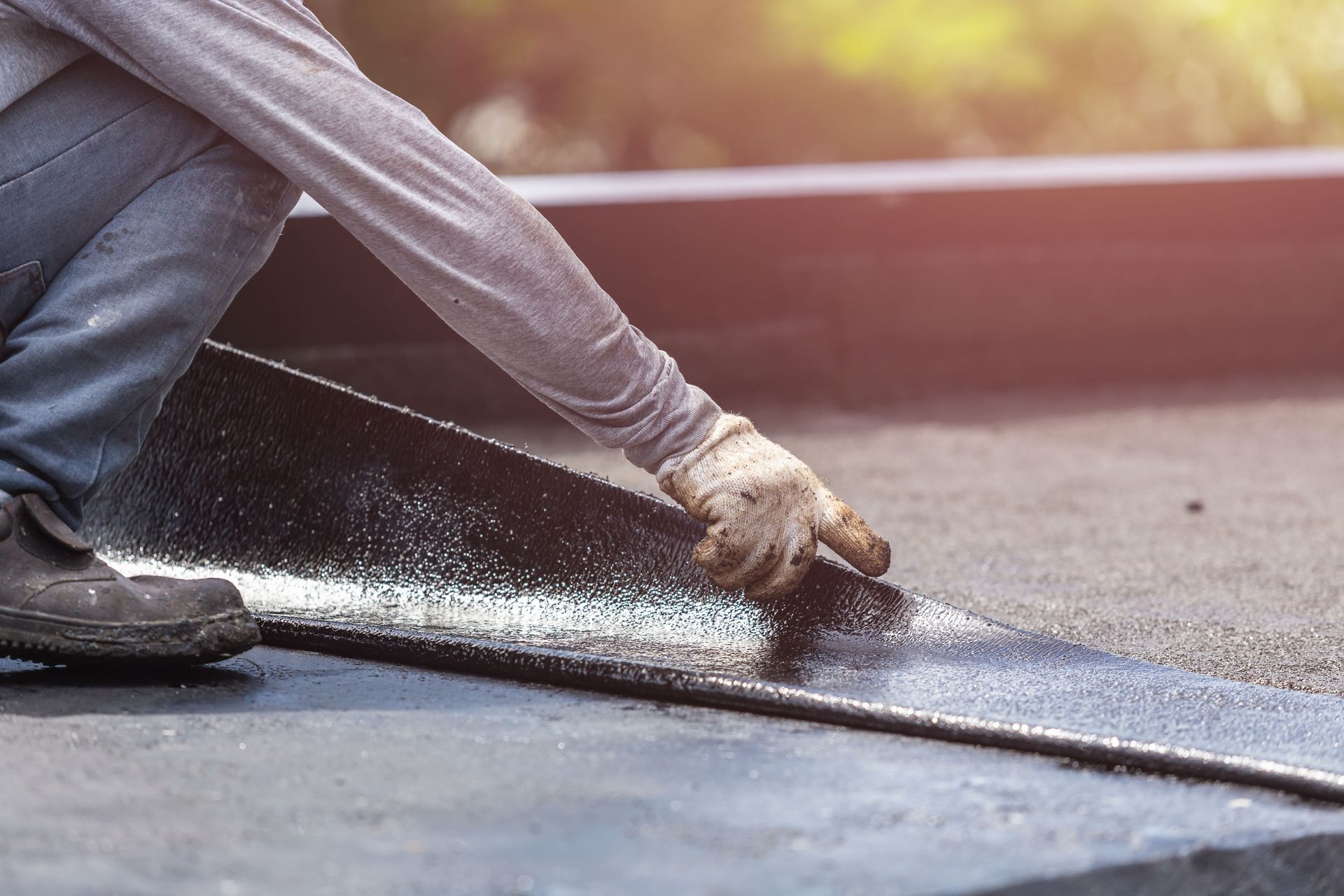
Another aspect contributing to the cost-effectiveness of rubber roofing is the reduced installation fees. Rubber roofing is lightweight, which simplifies the installation process and decreases the time and labor required. Installers can quickly lay rubber sheets or tiles, minimizing disruptions to the household or business operations. The simplicity and speed of installation further translate into lower costs for property owners. Investing in rubber roofing is a strategic decision that combines immediate affordability with enduring value for money.
Sustainability and Environmental Impact
Rubber roofing is one of the leading choices for those prioritizing sustainability and environmental impact. Made from recyclable materials, rubber roofing components can be repurposed at the end of their lifespan. This reduces landfill waste and supports a circular economy. Besides recyclability, rubber roofing requires less manufacturing energy compared to many alternative roofing materials. Its energy-efficient properties lower the carbon footprint of buildings, making it an environmentally responsible choice.
Reducing urban heat islands is another compelling environmental benefit of rubber roofing. The reflective surface of rubber roofs mitigates heat absorption, helping to maintain cooler city temperatures. This quality not only benefits individual property owners but also contributes to broader ecological goals. Furthermore, rubber roofing production processes are designed to minimize pollution and conserve resources. Choosing rubber roofing aligns with global sustainability efforts while providing practical and aesthetic advantages for property owners.
Ease of Installation
Flexibility in design is one reason contractors and homeowners favor rubber roofing installations. Rubber roofs can be molded and adapted to fit a variety of architectural styles and structural demands. This flexibility means that even complex roof designs can be covered without compromising on quality. The versatility empowers architects and builders to implement creative solutions tailored to unique client needs. Such adaptability ensures that the aesthetic and functional aspects of a project are both achieved seamlessly.
Compatibility with various roof types further enhances rubber roofing's installation appeal. Whether it is a flat roof, steep slope, or uniquely configured structure, rubber roofing materials are suited for diverse applications. Not all roofing materials offer such broad adaptability, complicating choices for varying building types. Rubber roofing simplifies the decision-making process, providing a suitable option in a multitude of scenarios. Its adaptability enhances the practicality of choosing rubber in both new constructions and reroofing projects.
Versatility and Aesthetic Appeal
Available in a wide range of styles and colors, rubber roofing installations offers customizable aesthetic appeal for any building. Property owners can select designs that align with their vision, enhancing the overall look of their home or business. Diverse color options allow for dynamic architectural expression, complementing or contrasting with other exterior elements as desired. The variety ensures that visual appeal is not sacrificed for functionality, a common concern with some utilitarian building materials. Rubber roofing's versatile styles present endless possibilities for those looking to elevate their property's curb appeal.
In addition to varied colors and styles, rubber roofing supports customizable formats, enabling unique design solutions. Architects and builders can leverage custom formats to achieve seamless integration with surrounding structures and landscapes. Such versatility means that whether replacing a historic roof or crafting a modern aesthetic, rubber roofing supports cohesive design execution. Furthermore, rubber roofing's ability to blend with other materials creates opportunities for creative and harmonious configurations. This adaptability makes rubber roofing a valuable asset in both traditional and contemporary building projects.
Rubber roofing’s applications extend beyond traditional roofs, opening possibilities for innovative uses. For example, garden spaces and balconies can be enhanced with rubber products that mirror natural textures and colors. This adaptability maximizes every aspect of a property's potential, from functional spaces to decorative elements. Enhanced curb appeal is achieved as rubber roofing complements additional exterior features, creating a unified and appealing facade. Such comprehensive benefits make choosing rubber roofing an informed decision that enhances both form and functionality.
Weather Performance and Protection
Rubber roofing installation demonstrates strong performance against various weather elements, starting with its UV ray resilience. Its surfaces reflect rather than absorb harmful sunlight, protecting the structural integrity of the roof and the building beneath. This resilience minimizes damage caused by prolonged sun exposure, such as fading and material degradation. Enhanced UV protection ensures that the roofing remains aesthetically pleasing and functionally sound, even in sunny climates. For homeowners, this translates into long-term benefits in terms of both appearance and structural support.
Waterproofing capabilities are another standout feature of rubber roofing, providing excellent protection against moisture penetration. This quality is crucial in preventing common issues such as leaks, mold growth, and water damage. The seamless application of rubber materials reduces the risk of water finding entry points, maintaining a watertight barrier. Additionally, its resistance to ice dam buildup in colder climates further reinforces the roof’s waterproofing performance. Such comprehensive weather defenses contribute to a safer, more resilient building envelope.
Effective temperature insulation is yet another aspect where rubber roofing excels, further enhancing its weather protection credentials. High-performance insulation helps maintain internal temperature stability, reducing reliance on HVAC systems and energy consumption. Furthermore, rubber roofing's inherent resistance to wind and hail damage ensures protection during severe storms. This resistance provides homeowners with peace of mind and security against the unpredictability of weather patterns. By investing in a rubber roof, property owners can secure robust year-round protection against diverse environmental challenges.
A rubber
roofing installation represents a wise investment in both the present and future of your property. Call our staff at RoofOhio to get started with your roof replacement today. We would love to assist you!