August 10, 2026
Choosing a new roof is one of the most consequential decisions a homeowner will make, and the debate between asphalt and metal roofing sits at the center of that decision for good reason. Both materials offer distinct advantages depending on your budget, climate, and long-term goals for your property. Understanding the differences between these two popular roofing systems can help you make a confident, informed choice rather than a rushed one driven by price alone. Because this decision affects your home's protection, curb appeal, and resale value for decades to come, it's worth taking the time to compare these options carefully, ideally with guidance from a residential roofing company that installs both systems. Below, we break down the factors that matter most so you can determine which material fits your household's needs.
Weighing the Value of Asphalt and Metal Roofing
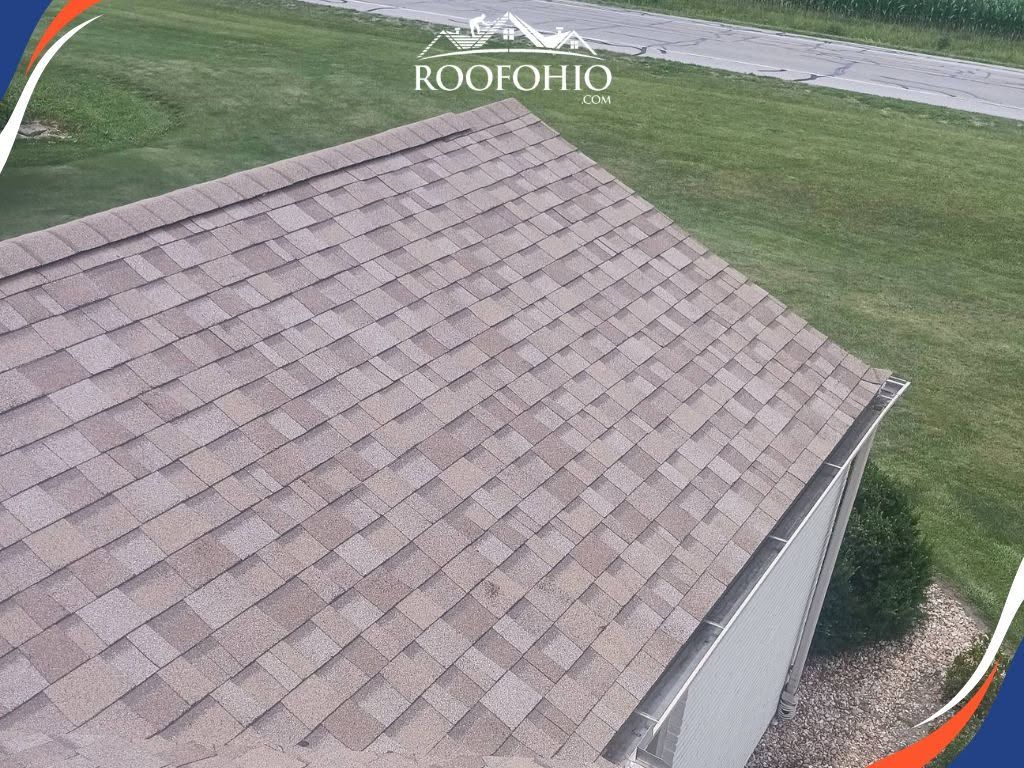
Asphalt shingles remain the most widely installed roofing material in the United States, and that popularity comes from a straightforward value proposition. They're affordable, versatile, and available in a wide range of colors and styles that suit nearly any architectural design. For homeowners working within a defined budget, asphalt often delivers the best immediate return, especially when installed by an experienced residential roofing company that can maximize the lifespan of the material through proper technique.
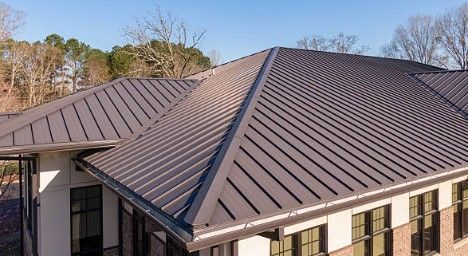
Metal roofing, by contrast, represents a longer-term value play. While the upfront investment is higher, the material's extended lifespan and reduced need for repairs can make it the more economical choice over a 40- to 50-year horizon, in our experience. Homeowners planning to stay in their property for decades often find that metal roofing pays for itself through durability and energy savings alone.
Comparing the Cost of Asphalt and Metal Roofing
Cost is usually the first question homeowners ask, and it's an important one. Asphalt shingles typically cost significantly less per square foot than metal panels, both in materials and labor. This lower entry price makes asphalt an accessible option for homeowners tackling a full roof replacement without wanting to stretch their budget thin.
Metal roofing carries a higher price tag, largely due to the cost of raw materials and the specialized labor required for proper installation. However, this is an area where working with a qualified residential roofing company truly pays off. Improperly installed metal roofing can lead to costly issues like leaking seams or panel warping, while a correctly installed system minimizes future repair costs. When you factor in the reduced need for replacement over the life of the roof, many homeowners find that metal roofing narrows the cost gap considerably.
Evaluating the Durability of Asphalt and Metal Roofing
Durability is where these two materials diverge most sharply. Asphalt shingles generally last between 20 and 30 years, in our experience, depending on the quality of the product and the severity of local weather conditions. They perform reliably under normal wear but are more vulnerable to wind uplift, hail damage, and granule loss over time.
Metal roofing is built for resilience. According to Today's Homeowner, a metal roof that has been properly installed can hold up against wind speeds exceeding 140 miles per hour, a level of performance associated with hurricane-force conditions. This kind of structural strength makes metal an appealing choice for homeowners in regions prone to severe storms, high winds, or heavy snow loads. That said, this level of protection depends entirely on correct installation, which is why partnering with a trusted residential roofing company is essential when metal roofing is on the table.
Assessing the Energy Efficiency of Asphalt and Metal Roofing
Energy efficiency has become an increasingly important factor for homeowners looking to reduce utility costs and their environmental footprint. Asphalt shingles absorb heat, which can raise attic and interior temperatures during warmer months. Lighter-colored or specially coated shingles can help offset this effect, but asphalt generally trails behind metal when it comes to reflecting solar heat.
Metal roofing reflects a significant portion of solar radiant heat rather than absorbing it, which can translate into lower cooling costs during summer months. Many metal roofing systems are also installed with reflective coatings that further enhance this benefit. For homeowners focused on long-term energy savings, this is often a deciding factor, and a knowledgeable residential roofing company can walk you through how much of a difference this might make based on your home's specific layout and climate.
Considering the Maintenance Needs of Asphalt and Metal Roofing
Ongoing maintenance requirements differ substantially between these two materials. Asphalt shingles require periodic inspections to check for curling, cracking, or granule loss, particularly after severe weather events. While repairs are generally straightforward and affordable, they do need to happen more frequently as the roof ages.
Metal roofing requires comparatively little maintenance once installed correctly. It resists common problems like moss growth, insect damage, and rot, and it won't crack or curl the way asphalt can over time. Occasional inspections are still recommended to check seams and fastenings, but the overall maintenance burden is lighter. Scheduling regular inspections with a professional residential roofing company, regardless of which material you choose, is the best way to catch small issues before they become expensive problems.
Choosing the Right Roofing Material for Your Home
Ultimately, the right choice between asphalt and metal roofing comes down to your priorities. If affordability and a shorter-term outlook matter most, asphalt shingles offer a proven, cost-effective solution with plenty of aesthetic flexibility. If you're focused on maximizing durability, energy efficiency, and long-term value, metal roofing may be the smarter investment despite the higher upfront cost.
Climate also plays a meaningful role in this decision. Homeowners in areas prone to severe storms or extreme temperatures often lean toward metal for its resilience, while those in more moderate climates may find asphalt perfectly suitable for their needs. Whatever direction you're leaning, consulting with a professional residential roofing company before making a final decision ensures you're accounting for your home's specific structure, local building codes, and long-term maintenance expectations. A qualified team can also help you understand warranty options and financing, both of which can shift the overall value equation in either direction.
It's also worth remembering that the quality of installation matters just as much as the material itself. Even the best roofing product will underperform if it isn't installed correctly, which is why choosing an experienced residential roofing company with manufacturer certifications and a strong track record should be part of your decision-making process from the very beginning.
Both asphalt and metal roofing offer real advantages, and neither option is universally "better" than the other. The right choice depends on your budget, your climate, and how long you plan to stay in your home. Asphalt shingles remain a smart, affordable option for many households, while metal roofing offers exceptional durability and efficiency for those willing to invest upfront. Whichever direction you choose, working with an established residential roofing company ensures your new roof is installed correctly and backed by warranties that protect your investment for years to come.
If you're ready to explore your options, we'd love to help. At RoofOhio, we specialize in both asphalt shingle and metal roofing installations, and we're happy to walk you through the pros and cons based on your home's unique needs. Contact us today to schedule a free estimate and take the next step toward a roof you can count on.