April 2, 2026
Choosing the right roofing material for your home is one of the most important decisions you can make as a homeowner. Your roof not only protects your property from the elements but also plays a major role in energy efficiency, curb appeal, and long-term maintenance costs. With so many materials available, understanding how to evaluate your options is essential. Working closely with a trusted roofing contractor can help you navigate these choices and ensure your investment is both practical and durable for years.
Understanding Your Climate Conditions
Climate plays a major role in determining which roofing material will perform best on your home. A roofing contractor will typically begin by evaluating local weather patterns, including rainfall, snowfall, wind exposure, and temperature extremes. Homes in areas with heavy rain benefit from materials that shed water efficiently and effectively, while regions prone to high winds require materials designed for superior resistance and durability.
Beyond general weather patterns, it’s also important to consider how often extreme conditions occur. A reliable roofing contractor can recommend materials that hold up under stress, reducing the need for frequent repairs. By aligning your roofing material with your climate, you not only improve performance but also extend the overall lifespan of your roof.
Considering Humidity and Moisture Levels
Humidity is another critical factor that affects how roofing materials age over time. In areas with high moisture levels, certain materials such as wood can be more susceptible to mold, mildew, and rot. A knowledgeable roofing contractor will often recommend alternatives like metal, clay, or synthetic materials that resist moisture-related damage more effectively.
In drier environments, materials that expand and contract significantly may develop cracks or wear prematurely. This is why consulting a roofing contractor is essential—they can guide you toward materials that maintain structural integrity regardless of moisture conditions. Making the right choice here can significantly reduce long-term maintenance needs.
Evaluating Temperature Fluctuations
Temperature swings throughout the year can take a toll on roofing materials. Some materials handle expansion and contraction better than others, which is especially important in regions with hot summers and cold winters. A roofing contractor can help identify materials that maintain flexibility and durability under these conditions.
Energy efficiency is also tied to temperature performance. Certain roofing materials reflect heat, keeping your home cooler, while others provide better insulation during colder months. By working with a roofing contractor, you can select a material that not only withstands temperature changes but also helps regulate indoor comfort year-round.
Assessing Sun Exposure and UV Resistance
Sun exposure can gradually degrade roofing materials, leading to fading, cracking, and reduced effectiveness over time. Homes in sunny climates should prioritize materials with strong UV resistance. A professional roofing contractor will often suggest options like metal or slate, which reflect sunlight and maintain their integrity longer.
Additionally, the right roofing material can contribute to energy savings by reducing heat absorption. A roofing contractor can recommend reflective or “cool roof” options that minimize cooling costs during warmer months. This consideration is especially important for homeowners looking to improve energy efficiency without sacrificing durability.
Preparing for Extreme Weather Events
Extreme weather patterns and events such as storms, heavy snowfall, or hurricanes require special consideration when selecting materials for your roof. Durability becomes the top priority, and a roofing contractor can guide you toward materials that offer superior protection. Heavier materials like tile or slate, as well as specially rated shingles, are often recommended in these situations.
According to This Old House, an average roof lasts between 25 and 50 years, depending on the quality, durability, and type of roofing material. This highlights why working with an experienced roofing contractor is so important when preparing for harsh conditions. Choosing a resilient material upfront can prevent costly repairs and extend the life of your roof.
Exploring Asphalt Shingle Options
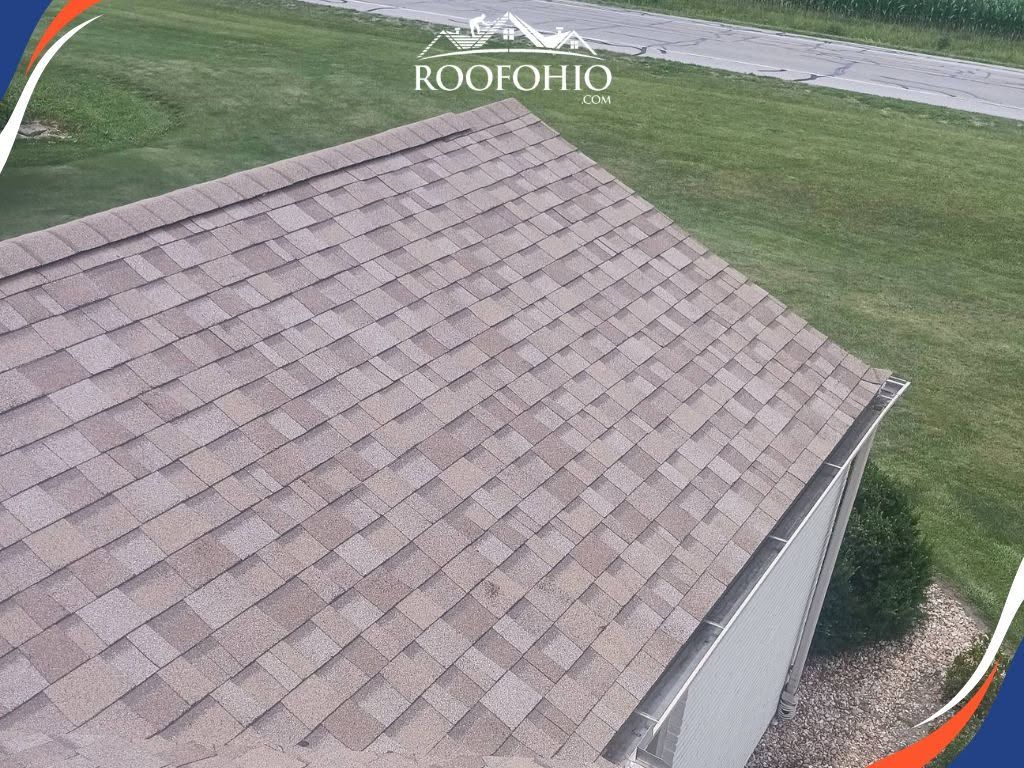
Asphalt shingles remain one of the most popular roofing materials due to their affordability and versatility. They are available in a wide range of colors and styles, making it easy to match your home’s design. A roofing contractor often recommends asphalt shingles for homeowners seeking a balance between cost and functionality.
While they are budget-friendly, asphalt shingles typically have a shorter lifespan compared to other materials. A roofing contractor can help you select higher-quality options within this category to maximize durability. For many homeowners, asphalt shingles provide a practical and accessible solution with manageable maintenance requirements.
Examining Metal Roofing Benefits
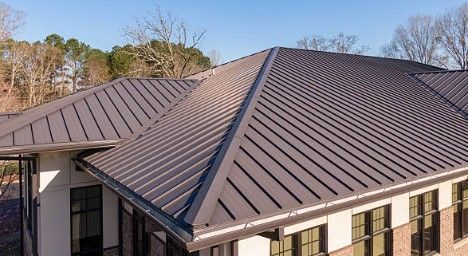
Metal roofing has gained popularity for its longevity and energy efficiency. Although the upfront cost is higher, a roofing contractor may suggest this option for homeowners looking for long-term value. Metal roofs are known for their ability to withstand the harshest weather conditions, including heavy snow and strong winds.
Another advantage is their ability to reflect solar heat, which can lower cooling costs. A roofing contractor can explain how this material contributes to energy savings over time. With proper installation, metal roofing offers a durable and eco-friendly option that can last for decades.
Reviewing Tile and Slate Materials
Tile and slate roofing materials are known for their timeless appearance and exceptional durability. These options are often recommended by a roofing contractor for homeowners seeking a high-end look combined with long-term performance. They are particularly effective in resisting fire, moisture, and weather damage.
However, these materials are heavier and may require structural reinforcement. A roofing contractor will assess whether your home can support the added weight before installation. While the initial investment is higher, the extended lifespan and minimal maintenance needs can make tile and slate worthwhile choices for your roof.
Considering Wood Shingles and Natural Appeal
Wood shingles and shakes offer a distinctive, natural aesthetic that many homeowners find appealing. Over time, they develop a weathered look that blends well with the surrounding environment. A roofing contractor may recommend wood options for homes aiming for a rustic or traditional design.
That said, wood roofing requires consistent maintenance to prevent issues like rot and insect damage. A roofing contractor will outline the upkeep involved so you can make an informed decision. For those willing to invest in maintenance, wood shingles provide a unique and visually appealing roofing solution.
Exploring Synthetic Roofing Alternatives
Synthetic roofing materials are becoming increasingly popular due to their versatility and durability. Designed to mimic the appearance of natural materials, they offer similar aesthetics without the added weight or maintenance. A roofing contractor often recommends these options for homeowners seeking a balance between performance and cost.
These materials are typically resistant to impact, UV rays, and moisture, making them a reliable choice in various climates. A roofing contractor can help you evaluate different synthetic options to find the best fit for your home. With advancements in technology, synthetic roofing continues to be a strong contender in the market.
Analyzing Budget and Long-Term Costs
Budget considerations go beyond the initial installation price. While some materials are more affordable upfront, they may require more frequent repairs or replacements. A roofing contractor can help you calculate the total cost of ownership, including maintenance and lifespan.
Balancing short-term affordability with long-term value is key. A roofing contractor will often recommend investing slightly more upfront for a material that offers greater durability. This approach can save you money over time and reduce the likelihood of unexpected expenses.
Choosing the right roofing material for your home involves careful consideration of multiple factors, including climate, budget, durability, and aesthetic preferences. Each material offers its own set of advantages and challenges, making it essential to evaluate your priorities before making a decision. Partnering with a knowledgeable roofing contractor ensures you receive expert guidance tailored to your specific needs.
Ultimately, investing time in selecting the right material will pay off in the form of a longer-lasting, more efficient, and visually appealing roof. A skilled roofing contractor can help you navigate every step of the process, from selection to installation. By making an informed choice, you can protect your home and enjoy peace of mind for years to come. Are you seeking a dependable roofing contractor in the Northwest Ohio region? If so, contact the professionals at RoofOhio today to get started.