August 7, 2026
Understanding how local roofing contractors determine the timeline for your roofing project is crucial for effective planning and realistic expectations. A roof replacement or major repair represents a significant home improvement investment, and knowing how long the job will take helps homeowners organize daily routines without unnecessary disruptions. Multiple variables dictate how quickly a project moves from initial consultation to final cleanup, making early preparation essential for every property owner.
To build an accurate schedule, professionals examine several critical factors long before striking the first nail on your home. These factors range from physical roof conditions and material choices to labor arrangements and unpredictable local weather patterns. By understanding how these elements interact, property owners can collaborate seamlessly with industry professionals, avoid common renovation pitfalls, and achieve a successful outcome within reasonable timeframe expectations.
Evaluate Initial Roof Conditions
Professional local roofing contractors begin every project with a comprehensive physical inspection to assess current wear and underlying structural soundness. Technicians thoroughly check shingles for curling, missing sections, or granule loss while examining interior spaces for subtle signs of water leakage. Identifying past repairs is another vital step during this initial phase, as previous quick fixes or substandard workmanship often hide deeper vulnerabilities that demand proper correction before new installation begins.
When evaluating damage from severe weather, experts consider how structural factors dictate overall project timing. According to HomeGuide, replacing a roof takes anywhere from one to eight days based on the chosen material, total size, slope pitch, and overall design complexity. Discovering compromised rafters or decayed decking during inspection means additional structural repairs must occur first, which directly extends the required labor commitment before actual replacement work starts.
Thorough documentation during this preliminary stage establishes a clear baseline for the entire renovation workflow. Detailed inspection logs provide accurate records that help guide cost estimates, material allocation, and scheduling expectations. Clear visual evidence allows homeowners to understand required structural remedies, fostering transparency between parties while setting realistic expectations for overall project completion duration.
Select Materials and Assess Availability
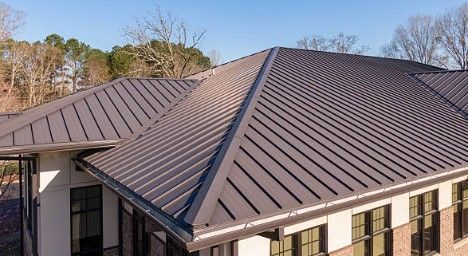
Material choices exert a massive influence on project timelines because different products demand varying installation techniques and labor levels. Standard asphalt shingles generally feature straightforward installation routines, whereas heavy slate, clay tile, or specialized metal panels require meticulous handling and extra installation care. Selecting premium or specialty materials means installation speed reflects the precision necessary for proper long-term placement.
Experienced local roofing contractors maintain strong relationships with suppliers to minimize potential material delays, but global supply chain shifts can still cause unexpected bottlenecks. Custom orders, unique color selections, and specialized architectural components often require longer manufacturing lead times before delivery to your site. Choosing readily available regional inventory helps keep projects moving forward without holding up active labor schedules or workers on site.
Incorporating sustainable or eco-friendly roofing products also impacts project scheduling due to specialized sourcing or unique manufacturing demands. Energy-efficient options and recycled material options offer long-term operational savings, yet they may require longer wait times for specialized delivery. Balancing custom aesthetic preferences with practical material delivery windows ensures that ongoing construction work proceeds without unnecessary pauses.
Establish Detailed Schedules and Plans
Structured project planning begins by establishing clear project milestones that serve as essential progress tracking markers. Setting defined targets for material delivery, old roof removal, underlayment installation, and final shingle placement ensures that work moves systematically. Clear milestones align expectations between property owners and installation teams, enabling smooth transitions through each sequential phase of the build.
By coordinating closely with specialized subcontractors, local roofing contractors keep tasks moving seamlessly without operational overlap or downtime. Proper staging avoids bottlenecks when multiple trade specialists, such as framing carpenters or gutter technicians, need access to the property simultaneously. Integrating local municipal permit approvals into the master schedule prevents legal delays and keeps work fully compliant with area building codes.
Weather forecasts represent another major consideration when building an accurate working schedule for outdoor construction. Active work schedules must adapt to regional weather patterns, as sudden precipitation, strong winds, and extreme temperatures halt outdoor labor for safety and structural protection. Factoring temporary weather windows into the baseline plan protects underlying home structures while keeping project progress aligned with original targets.
Allocate Labor and Resources Efficiently
Qualified local roofing contractors carefully evaluate crew sizes and specialized expertise to optimize job site production and daily output. Matching worker skills with specific project challenges ensures that tear-off and installation proceed safely and efficiently throughout the day. Finding the correct crew balance prevents overcrowded work areas while maintaining continuous, high-quality momentum throughout active workdays.
Equipment readiness plays an equally pivotal role in maintaining consistent daily progress across the entire installation period. Verifying that power tools, safety harnesses, staging scaffolding, and waste disposal units function properly avoids costly operational downtime. Preventive tool maintenance ensures crew members execute daily tasks efficiently without structural equipment failures or mechanical delays.
Managing daily workflows requires active oversight to ensure continuous coordination and clear task distribution among workers. Briefing teams every morning establishes clear operational goals, while structured communication channels keep clients fully updated on daily progress. Clear communication helps homeowners adapt their daily personal schedules, maintaining a cooperative and stress-free environment from start to finish.
Address Unforeseen Site Challenges
Uncovering hidden structural damage after removing old materials presents unexpected challenges that require adaptive, professional solutions. Rotting wood decking, hidden mold, or compromised structural trusses demand immediate remediation before new shingles can be secured properly. Resolving these hidden problems extends total project duration, but addressing them promptly protects long-term structural integrity and home safety.
Sudden weather shifts frequently interrupt outdoor work schedules, requiring quick site preservation tactics to guard your home. Covering exposed roofs with protective heavy tarps prevents water intrusion during unexpected storms while crews temporarily pause operations. Flexible rescheduling allows teams to resume work safely as soon as dry weather conditions return to the immediate region.
To handle sudden supply delays, local roofing contractors explore alternative distribution sources or shift crew focus toward preparatory tasks on site. Open dialogue regarding material availability or unexpected cost adjustments maintains mutual trust between clients and installers throughout the process. Proactive problem-solving ensures that sudden obstacles do not turn minor disruptions into major schedule overruns.
Complete Inspections and Deliver Approvals
Conducting a thorough final inspection guarantees that completed work meets rigorous quality standards and original job parameters. Detailed walk-throughs cover every square foot of the new roof, verifying proper flashing installation, ridge vent placement, and complete cleanup of dropped nails. Addressing minor adjustments during this final check ensures a flawless finished product and complete property safety.
Verifying full compliance with regional building codes and manufacturer specifications protects home integrity and long-term property value. Meeting code requirements prevents future legal complications and ensures the structure resists local weather extremes effectively. Proper compliance verification also activates valuable manufacturer material warranties for comprehensive future coverage and peace of mind.
During the final stages, local roofing contractors gather valuable client feedback to confirm complete homeowner satisfaction with the results. Delivering detailed final documentation, including warranty paperwork and maintenance guidelines, equips property owners for long-term roof care. Closing out the project with complete transparency fosters strong client relationships and reinforces professional trust in the community.
Developing a predictable roofing timeline relies on comprehensive inspections, smart material choices, and proactive project management. Understanding how professional teams navigate weather disruptions, structural issues, and supply logistics empowers homeowners throughout the entire renovation process. Reach out to RoofOhio today so we can evaluate your property and build a custom timeline for your project.