June 26, 2026
Maintaining a secure home requires regular attention to the protective structural elements that shield a household from severe weather elements. The overhead barrier of a property bears the brunt of intense sunshine, heavy rainfall, high winds, and winter snow accumulation throughout the changing seasons. Over time, environmental exposure causes gradual degradation that can compromise the structural safety of an entire residence if left unmanaged. Many homeowners fail to notice minor vulnerabilities until water begins leaking into living areas, resulting in expensive repair bills. Scheduling a comprehensive assessment with a professional roofing contractor allows property owners to identify underlying structural weaknesses early. Recognizing the subtle warning signs of deterioration ensures that timely maintenance preserves the value and safety of your domestic sanctuary.
1. Identifying Missing or Damaged Shingles
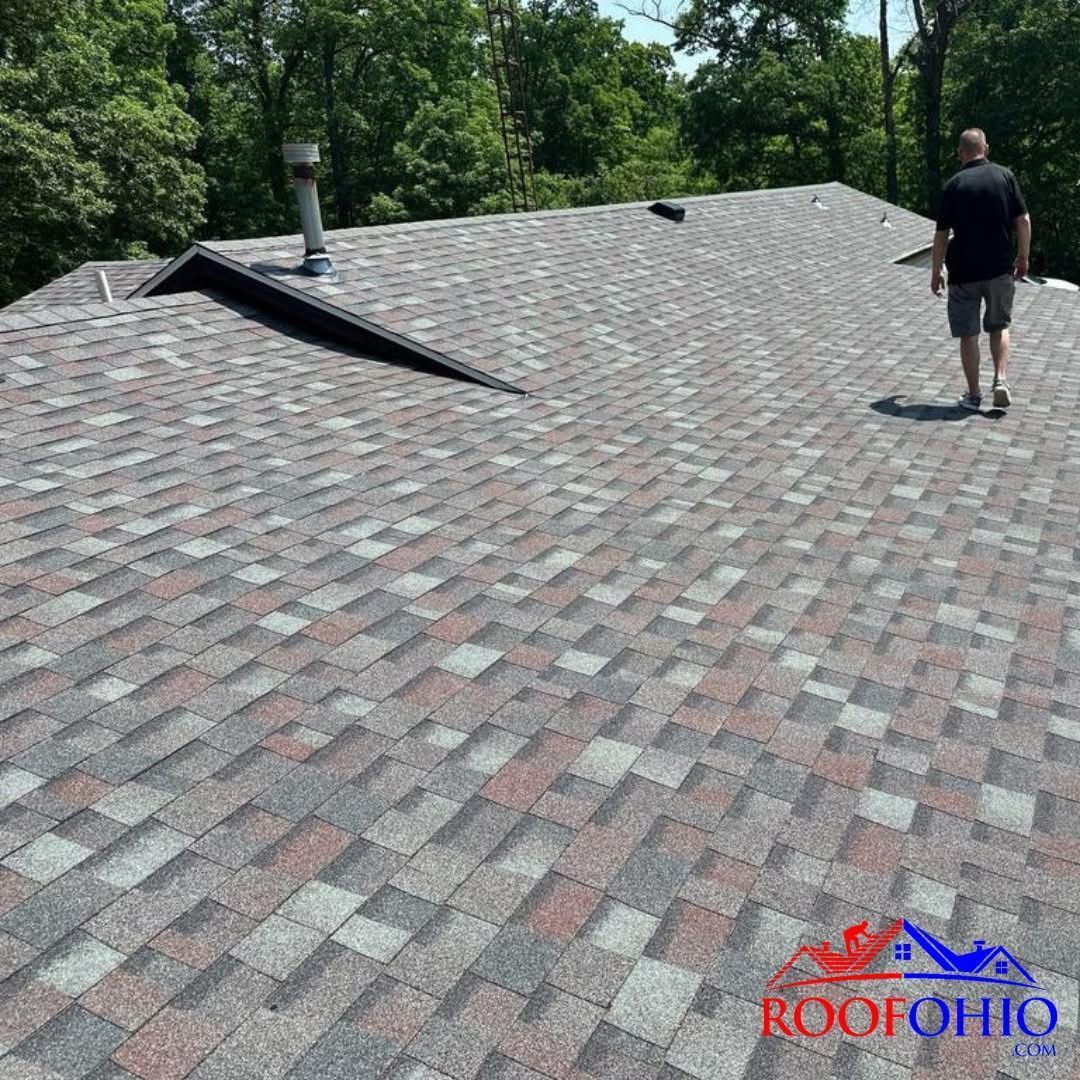
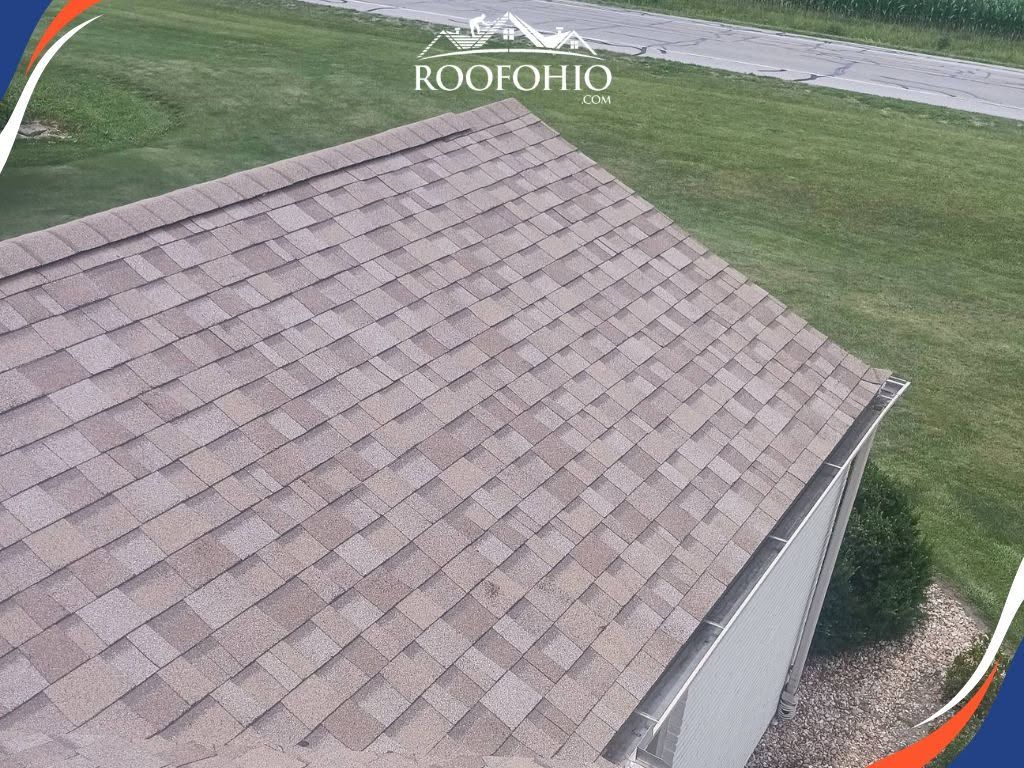
The exterior layers of an overhead protective system are designed to create an overlapping barrier against moisture penetration. High winds can lift the edges of surface pieces, breaking the protective seal and leaving the underlying wood decking exposed to rainfall. When pieces become cracked, curled, or entirely detached, the structural defense of the building is immediately compromised. Property owners can perform a basic ground-level scan using binoculars to check for uneven patterns or smooth patches across the sloped surfaces. Any visible gap in the protective layout indicates that external forces have breached the primary shield of the building.
Neglecting minor surface damage allows moisture to seep underneath adjacent pieces, accelerating the deterioration of the surrounding materials. As water accumulates beneath loose components, the wooden framework begins to rot, weakening the overall load-bearing capacity of the structure. This structural breakdown often spreads silently before manifesting as an obvious ceiling leak inside the home. Arranging a formal evaluation with a licensed roofing contractor ensures that compromised surface elements are replaced before rot spreads through the underlying layers. Prompt structural stabilization prevents localized vulnerabilities from expanding into full-scale structural failures during subsequent storm events.
2. Noticing Sagging Rooflines or Decks
A straight, uniform ridge line indicates that the internal support trusses and rafters are maintaining their structural strength. When a dip, curve, or noticeable sag appears along the peak or across the sloped sections, it signals a severe structural issue that demands immediate professional attention. Sagging typically occurs when chronic moisture infiltration weakens the wooden supports, or when the structure is carrying excessive weight from accumulated debris. This condition represents an emergency situation, as the physical integrity of the overhead barrier is actively failing and could potentially collapse under additional environmental stress.
According to This Old House, over the past three years, nearly 31% of homeowners have pursued roof renovation, repair, or maintenance projects. This statistic emphasizes the widespread necessity of addressing structural upkeep across the nation to prevent catastrophic property losses. When structural shifting or warping is observed from the street, the structural danger has already progressed significantly past the point of simple cosmetic fixes. Enlisting an experienced roofing contractor to examine the internal support beams from within the attic space helps determine the exact cause of the compression. Reinforcing the structural framework early prevents total architectural failure and restores the necessary load-bearing capabilities of the residential property.
3. Observing Water Stains on Ceilings
Discoloration on interior plasterboard or drywall represents a clear indication that external moisture has bypassed the primary protective shield. These stains often appear as yellowish, brown, or dark rings that expand gradually following periods of sustained precipitation. Water can travel along internal rafters and piping before dripping onto a ceiling, meaning the visible stain inside may not align directly with the external breach. Homeowners must investigate even small patches of discoloration immediately, as water accumulation hidden within walls fosters structural decay and ruins insulation performance.
Persistent moisture infiltration also creates an ideal breeding ground for microscopic fungal organisms that jeopardize indoor air purity. When drywall remains damp for extended periods, structural components soften, causing paint to peel and texture to crumble away. Attempting to paint over the discoloration without sealing the external entry point is an ineffective approach that guarantees future damage. Consulting a qualified roofing contractor allows for precise tracing of the liquid path using thermal imaging or moisture meters. Resolving the external leakage point eliminates the underlying hazard, ensuring that subsequent interior remodeling efforts remain dry and secure.
4. Finding Granules Accumulating in Gutters
Asphalt-based surface materials utilize a dense coating of mineral particles to shield the underlying bitumen from damaging ultraviolet radiation. As these components near the end of their operational usefulness, the bonding agents degrade, causing the mineral layer to detach during rainstorms. Property owners often discover piles of dark, sand-like debris collecting inside horizontal drainage channels or washing out through vertical downspouts. A significant loss of this protective coating leaves the underlying asphalt vulnerable to cracking, melting, and rapid structural decline under intense solar heat.
While minor shedding is typical for newly installed systems, heavy accumulation from older installations indicates advanced physical aging. Once bald patches appear on surface components, the countdown toward widespread leakage begins in earnest. The exposed asphalt becomes brittle, fracturing easily during subsequent hail or high-wind occurrences. Having a certified roofing contractor evaluate the remaining thickness of the mineral layer provides a clear understanding of the remaining operational lifespan of the system. This proactive analysis assists homeowners in budgeting for major capital improvements before catastrophic failure occurs.
5. Detecting Biological Growth on Surfaces
The growth of moss, algae, or lichen across sloped architectural surfaces indicates prolonged moisture retention and insufficient sunlight exposure. Fungal spores land on damp surfaces and establish root networks that anchor themselves firmly into the protective material. Moss behaves like a sponge, absorbing rainfall and holding dampness directly against the shingles for extended periods. This constant wetness accelerates the physical breakdown of structural materials and forces adjacent components apart, creating pathways for liquid penetration into the home.
Algae streaks can also diminish the curb appeal of a property, turning vibrant finishes into stained, dark expanses over time. Lichen growth is particularly destructive because it feeds on mineral granules, permanently stripping away the protective shield of the building. Scraping these organisms away using aggressive high-pressure washing can cause severe physical damage, dislodging granules and tearing delicate surface materials. Seeking help from an expert roofing contractor ensures that appropriate chemical treatments are utilized to eradicate biological growth safely without compromising surface longevity.
6. Discovering Flashing Damage around Vents
Architectural junctions, valleys, chimneys, and ventilation pipes require thin metal strips to direct water away from vulnerable intersections. These metallic barriers, known as flashing, are sealed with specialized caulking to create a watertight connection at sharp angles. Due to constant thermal expansion and contraction, sealants can dry out, crack, or pull away from masonry work. Once flashing lifts or rusts through, water gains unhindered access to the most vulnerable seams of the overhead structure.
Flashing failure is a leading cause of localized water damage, often resulting in sudden, heavy leakage during intense summer downpours. Inspecting these metal transitions requires climbing onto the structure and checking the physical integrity of every fastener and sealant line. Damaged flashing cannot be permanently repaired with simple household tape or silicone from a hardware store. A professional roofing contractor possesses the specialized metalworking tools required to fashion custom replacement strips and install durable watertight seals that withstand extreme weather shifts.
Preserving the structural integrity of your residential property requires a proactive approach to seasonal maintenance and structural inspection. Ignoring minor warning signs such as displaced surface elements, internal ceiling discoloration, gutter debris, or biological accumulation leads to progressive architectural decay and escalated restoration expenses. Investing in regular assessments ensures that small vulnerabilities are managed before they compromise the safety of your household or the value of your real estate investment. Professional diagnostics take the guesswork out of property management, providing clear solutions tailored to the unique architectural needs of your home. To ensure your overhead protection remains secure, reliable, and fully capable of enduring unpredictable seasonal weather events, contact RoofOhio to schedule a comprehensive structural assessment with an experienced team.